
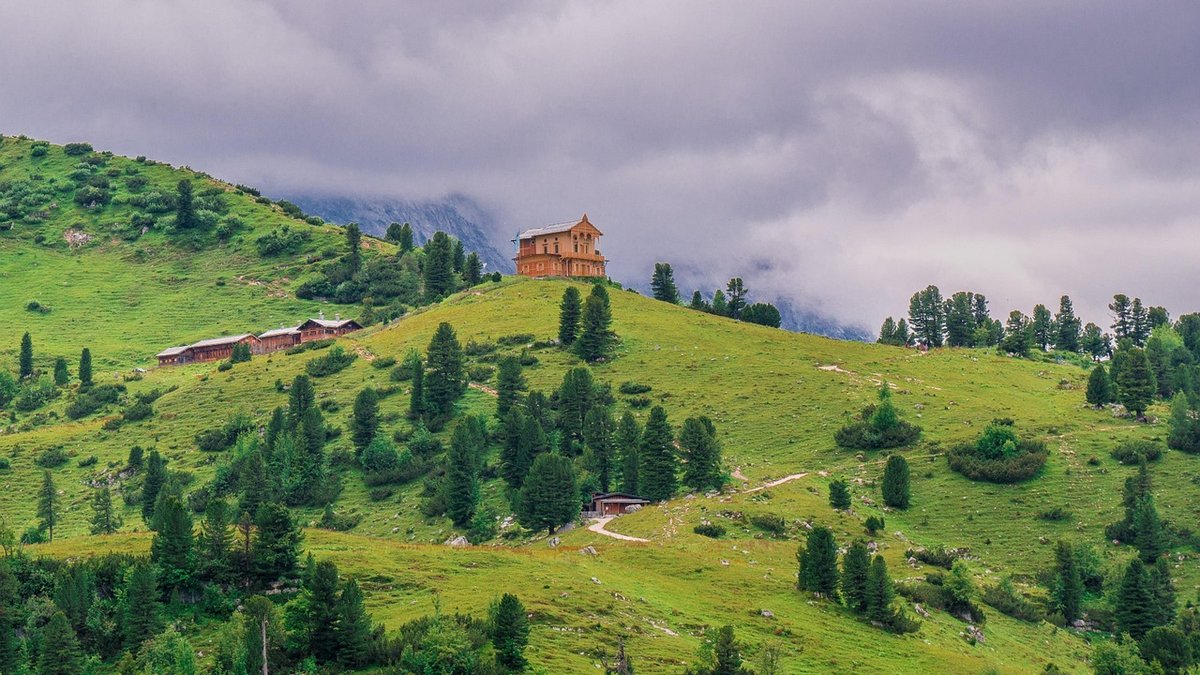
There is a particular kind of quiet you only find at the end of a single-track lane, where the hedgerows close in and the last phone signal bar flickers out somewhere near the cattle grid. That flicker is not a problem to be solved. It is the whole point.
A remote cabin retreat works as a digital detox because it removes the choice rather than relying on your willpower. In a hotel you can always find the television remote or the lobby wifi. In a cabin ten miles from the nearest shop, with a log burner, a water butt and a visitor book full of other people's handwriting, reaching for a screen starts to feel faintly ridiculous. The setting does the heavy lifting, and you are free to simply be there.
Cold turkey rarely works. Most people who try to abandon their phone entirely for a week end up hunched over it at 2am, scrolling guiltily by torchlight. A better approach is to decide your rules at home, in daylight, while you still have the discipline to be sensible about it.
Write the plan down. A rule you have made deliberately is far easier to keep than one you are improvising at dusk with a glass of wine in hand.
The single most effective thing you can put in your bag is a stack of paper books. Take three or four — more than you think you will read, because a wet afternoon in a Welsh valley is longer than it looks. Add a notebook and a proper pen. There is something quietly satisfying about writing a shopping list, a rough sketch of a walk or a few lines about the day without a keyboard involved.
Beyond reading, pack for the hours you would normally fill with a screen:
Bringing a paper map is not nostalgia. Footpaths in the Yorkshire Dales, the Scottish Highlands and the Brecon Beacons often lose signal entirely, and a laminated map does not run out of battery halfway up a fell.
Once you arrive, arrange the space so that reaching for a screen takes effort. Charge the phone in a cupboard, or better still in the car, and leave it there. Keep one camera out if you like photography, but keep it switched off between shots.
Then lean into the rituals that fill a day naturally. Lay and light the fire properly rather than flicking a switch. Cook something slow — a stew, a loaf of bread, a pan of porridge that needs stirring. Fill the water carriers. Sweep the step. These small tasks take real time, and time is exactly what a digital detox is trying to give back to you.
If the cabin has a guest book, read it. Previous visitors usually leave the best intelligence: which pub serves food until nine, where the nearest honesty box is, which path floods after rain.
Walking is the great substitute for scrolling, because it occupies the hands and the attention at the same time. Ask the owner which footpaths leave from the door, then pick one and follow it without a destination in mind.
Go out early, when the mist still sits in the valley and the only sound is water and birdsong. Go out again after dark, when a genuinely dark sky — the kind you find in Galloway, Northumberland or the heart of the Peak District — reveals more stars than most people see in a year. Take a flask, take the map, and leave the phone behind. If you must carry it, keep it in the bottom of the rucksack rather than your pocket, where a buzz can still reach you.
Notice small things on purpose: the sound of curlews over rough pasture, the smell of wet bracken, the particular green of a mossy stone wall. This is the texture that screens flatten out of a holiday.
The test of a good detox is what survives the drive home. Before you plug everything back in, decide two or three changes you will actually keep: no phone at the dinner table, a paper book beside the bed, a walk after work without headphones.
You do not need to become a hermit. You simply need to remember that a cabin with bad signal and a good log burner taught you something a hotel never could — that most of what arrives on a screen is not urgent, and that a quiet afternoon is not an empty one. Book the next one before the feeling fades.

Hi, my name is Anthony kuber. I am artist and fashion designer.
I love to travel and writing blogging.
Your email address will not be published. Required fields are marked *
Software Developer & Writer
Hey, I'm Diva, a developer and writer blending code and creativity. I'm driven by a deep curiosity and a relentless pursuit of excellence. Join me as I craft digital solutions and captivating stories.


