
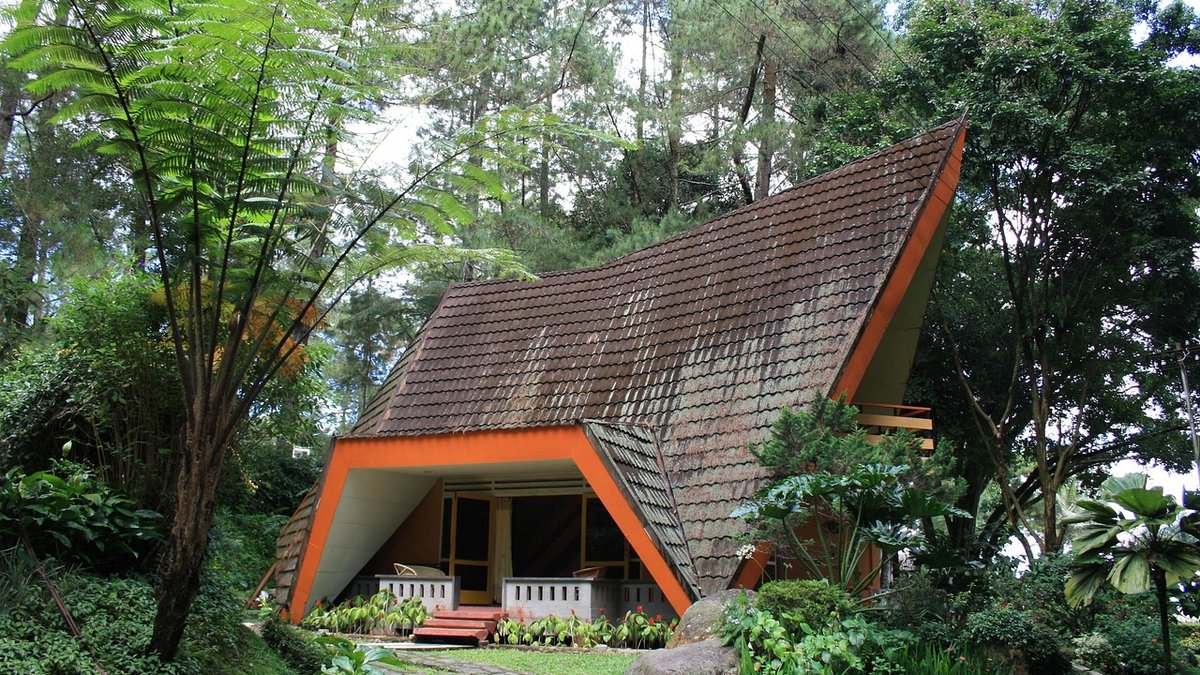
Most lodge breaks begin with a search for a hot tub, a woodland view or a dog-friendly deck. A quieter and often far more rewarding approach is to begin with a market. Find a town with a proper farmers market, work out which day it runs, and then look for lodge accommodation within a twenty or thirty minute drive of it. You will end up somewhere you might never have considered — a wooded corner of the Yorkshire Dales, a lane behind the Norfolk Broads, a hillside above a Welsh valley — and you will have a genuine reason to be up and out early on a Saturday morning.
It works particularly well because lodge parks are so often tucked away on working farms and private estates. The people who run them tend to know precisely which market is worth the drive and which one is mostly resellers with a gazebo. Ask when you book. A quick question at check-in — "where would you shop on Saturday?" — is often the best piece of local knowledge you will get all week.
The most common mistake is assuming every market runs every Saturday. Plenty do, but many of the best are fortnightly, monthly or strictly seasonal. A market that fills a town square in August can shrink to a dozen stalls in February, and some pack up entirely between November and March. Others move indoors for the winter, into a village hall or a cattle market shed, which is worth knowing if you are travelling in the colder months.
Turn up properly equipped and the whole trip becomes easier. A few things are worth keeping in the car for the entire break:
Leave space in the car, too — and leave space in the lodge fridge before you go shopping. It is surprising how quickly a hamper of local produce fills a small under-counter appliance.
Lodge kitchens vary enormously. Some are beautifully equipped with a full oven and a decent knife block; others offer two rings, a microwave and one blunt knife that has clearly been used to open a paint tin. Before you shop, take stock of what you have actually got:
Buying for what you can genuinely cook beats buying what looks lovely on the stall. If the kitchen is basic, choose food that needs little more than a pan, a little oil and some salt: good sausages, lamb chops, flat mushrooms, new potatoes and a bag of leaves. If you have a firepit, almost anything wrapped in foil and buried in embers will taste better than it has any right to.
Market produce tastes better because it was picked recently, not because it comes with a story. But a market is also a calendar, and shopping to it makes meal planning almost effortless. As a rough guide:
Ask the person who grew it. "How would you cook this?" is the single best question you can ask at a market stall, and you will usually get a proper answer, often involving butter. Buy fish on the day you intend to cook it, and buy meat early so it can go straight into the cool box.
A market morning pairs naturally with everything else a lodge break is for. Buy bread, cheese, tomatoes and something cured, then walk somewhere with a view and turn it into lunch. Plan an evening around the firepit with sausages and flatbreads. Buy a joint on Saturday and roast it slowly on Sunday, when the weather has turned and nobody wants to drive anywhere.
Sunday markets often sit alongside a car boot sale or a smaller craft market, which makes for a pleasant, unhurried couple of hours. And if you miss the market entirely, most lodge owners can point you to a farm shop within ten minutes that will fill the gap.
Planned this way, a lodge break picks up a rhythm: shop, cook, walk, eat, repeat. You come home with muddy boots, a slightly heavier cool bag and a new favourite town you would never have found otherwise.

Hi, my name is Anthony kuber. I am artist and fashion designer.
I love to travel and writing blogging.
Your email address will not be published. Required fields are marked *
Software Developer & Writer
Hey, I'm Diva, a developer and writer blending code and creativity. I'm driven by a deep curiosity and a relentless pursuit of excellence. Join me as I craft digital solutions and captivating stories.


