
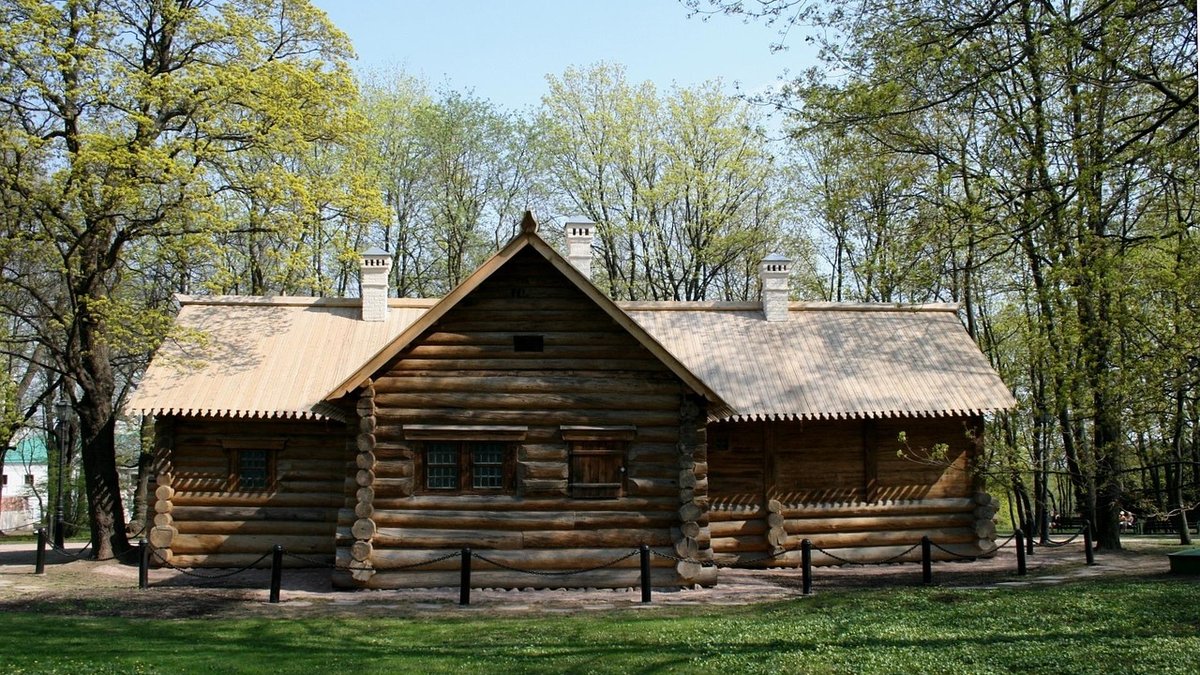
Glamping pods and log cabins both promise a warm bed without the tent pegs, but they solve the problem in very different ways. A pod is essentially a compact, insulated timber hut — often around 3m by 3m — designed around a bed, a small seating area and a kettle. A traditional log cabin is a proper building: one or more bedrooms, a living space, a fitted kitchen and usually a full bathroom. Neither is better in the abstract. The right choice comes down to how you want to spend your evenings, how much kit you're carrying and how likely the weather is to keep you indoors.
Pods are built for sleeping and sheltering, not for living indoors at length. Expect a sloped or curved ceiling that limits headroom near the edges, a double bed or two singles, and a small bench that doubles as extra sleeping space. Some have a mini kitchenette; many don't. If you're picturing rainy afternoons reading, playing cards and cooking properly, a pod will feel tight after a day or two.
Log cabins give you rooms to retreat into. A typical two-bedroom cabin sleeps four to six, with a lounge-diner, a hallway for boots and coats, and somewhere to hang wet walking gear. That separation matters more than people expect: one person can sleep while another reads, and you're not all eating, sleeping and dressing in the same twelve square metres.
Both are far warmer than canvas, but they behave differently. Pods are small, so they heat up quickly — a panel heater or tiny wood burner can take the chill off in twenty minutes. The trade-off is that they cool down quickly too, and in summer they can get stuffy because ventilation is limited to a window or roof vent. Look for double glazing and a proper heater rather than a fan heater alone, and check whether bedding is included.
Log cabins have thicker timber walls and more volume, so they take longer to warm through but hold the heat far better. A wood burner or central heating makes a real difference in February, and a cabin with radiators and a thermostat is effectively a small house. Ask about heating before booking a winter stay — an unheated cabin with one electric fire is a chilly prospect.
Wet weather is where cabins pull ahead. Porches, boot rooms and drying space keep damp coats away from the sleeping area. In a pod, everything shares one space, so a soaked jacket and a duvet end up in the same air.
This is often the deciding factor. Pods come in two main types: basic and en-suite. A basic pod has no plumbing at all, meaning a short walk to a shared shower block — fine in July, less appealing at 7am in November. An en-suite pod squeezes a shower, WC and basin into a corner, usually with limited hot water and a compact cubicle.
Log cabins almost always have a full bathroom, often with a bath as well as a shower, plus a separate WC in larger models. Hot water comes from a proper cylinder or boiler, so four people can shower in sequence without drama. If you have young children, or you're travelling with someone who values a long soak, that convenience is worth the extra cost on its own.
Pod kitchens are minimal: a kettle, perhaps a two-ring hob, a microwave and a small fridge. Some have only a kettle and toaster, with a shared outdoor kitchen or barbecue area on site. That's perfectly workable for breakfast and a simple pasta supper, but it isn't a kitchen for roasting a joint or feeding fussy eaters.
Cabins usually have a full fitted kitchen — oven, hob, fridge-freezer, microwave and enough worktop to chop vegetables — plus a dining table that seats everyone. Add a dishwasher in larger cabins and the self-catering maths starts to beat eating out every night. Check the inventory before you shop: most cabins list crockery, pans and utensils, but decent knives are hit and miss.
Pick a pod when the accommodation is somewhere to sleep rather than somewhere to be. They suit walkers, cyclists, couples and anyone wanting a cheap, cosy, no-fuss base. They're excellent value midweek outside school holidays, and many sites are dog-friendly.
Pick a cabin when the trip is the stay itself: a long weekend with friends, a family half-term, a birthday with a hot tub on the decking. You'll pay more, but you get space, reliable heat, a proper bathroom and a real kitchen — and if it rains for three days, you won't mind much.

Hi, my name is Anthony kuber. I am artist and fashion designer.
I love to travel and writing blogging.
Your email address will not be published. Required fields are marked *
Software Developer & Writer
Hey, I'm Diva, a developer and writer blending code and creativity. I'm driven by a deep curiosity and a relentless pursuit of excellence. Join me as I craft digital solutions and captivating stories.


