
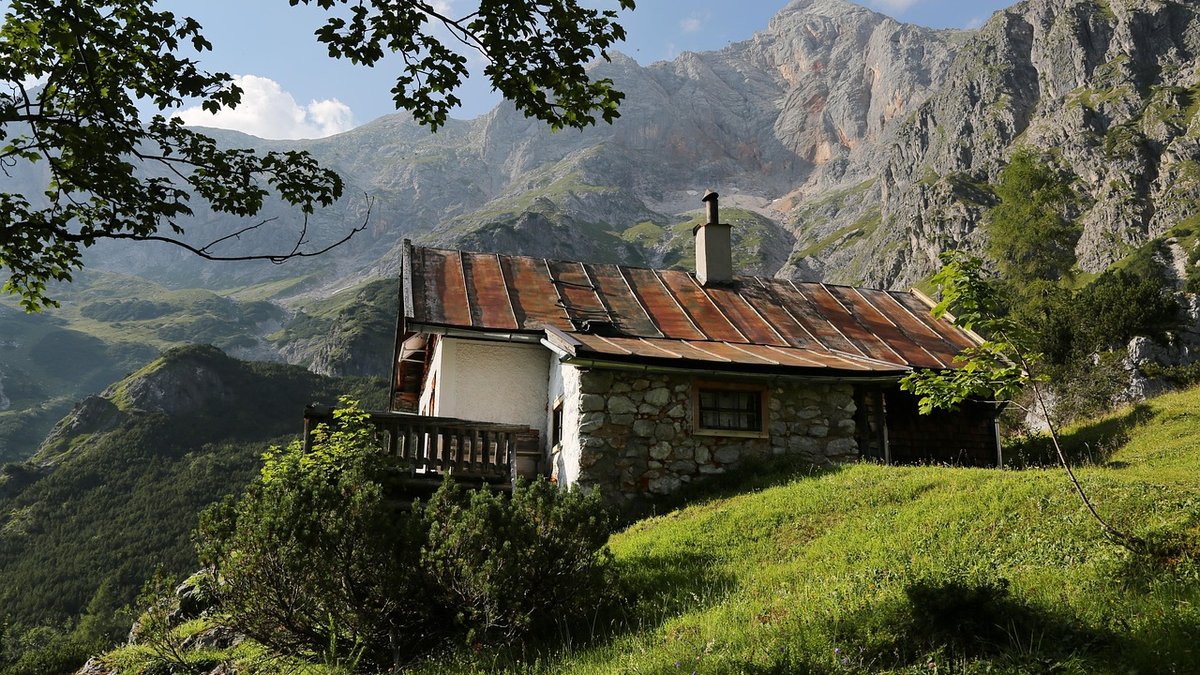
There is a particular kind of quiet you only find in a well-placed lodge on the edge of a British countryside. Not the silence of an empty house, but the gentle, breathing quiet of trees, distant sheep, and the occasional clatter of rain on a wooden roof. For a writer travelling alone, that atmosphere is worth more than any spa treatment or fancy restaurant.
The best part is that lodges tend to come self-contained. You get your own front door, your own kitchen, your own timetable. No need to make small talk at breakfast or explain why you're still in pyjamas at two in the afternoon. That freedom matters when you're trying to get words on the page.
Photos on booking sites love to show squishy sofas, log burners, and bottles of prosecco. What you actually need is a proper working surface. Before you book anything, look at the photos with a writer's eye and ask a few blunt questions.
It sounds obsessive, but a good desk is the difference between three productive hours and three hours of fidgeting.
British lodges can be gloriously cosy or quietly freezing, depending on the season and the owners. Never assume. Central heating that's on a timer is common, which means it may switch off mid-morning just as you're sinking into a scene. Ask whether you can control the thermostat yourself, and whether there is a backup heater or a wood burner with a decent supply of logs.
Wi-Fi is the other make-or-break factor. Rural connections have improved enormously, but a lodge at the end of a lane can still be patchy. If you need to upload work, research, or join the odd call, request a speed test before booking rather than taking "Wi-Fi available" at face value. A useful backup is a mobile hotspot, plus a downloaded offline folder of any research you need. Think of it as insurance for your writing time.
Also check the hot water situation. A long walk followed by a lukewarm shower does nothing for morale. If the lodge sleeps several people, ask whether the boiler copes when it's just you.
Peaceful surroundings are the whole point, but "peaceful" means different things. A lodge on a working farm is peaceful in the evenings, less so at five in the morning during lambing. A site near a wedding venue may be blissfully quiet midweek and lively on a Saturday. A village pub within walking distance is a joy — unless the beer garden backs onto your bedroom window.
Use maps rather than marketing copy. Zoom in on the satellite view. Look for main roads, caravan parks, quarries, and anything with the word "activity" in the name. Then look for the things that will actually sustain you: footpaths leading from the door, a river, a patch of woodland, a bench with a view.
The real trick of a solo retreat is not writing all day. It's writing in focused blocks with proper breaks, and a walk is the best break there is. A forty-minute loop before breakfast clears the head. A longer afternoon walk solves plot problems you didn't know you had.
Choose a lodge with at least two or three routes from the door — a short lane circuit for wet days and something longer for when you need to think. Bring walking shoes you've already broken in, a waterproof that actually works, and a small notebook. Some of your best lines will arrive halfway up a hill, far from the desk.
If you can, plan your days loosely: two solid writing sessions, one walk, one proper meal. That rhythm is sustainable for a week, and it keeps you from burning out by Tuesday.
Finally, think about the details that make a solo stay feel less like a camping trip. A decent lamp beside the bed for late reading. A cafetière or a proper kettle. Somewhere comfortable to sit that isn't the desk. A washing machine if you're staying more than a few days, so you can pack light.
It also helps to tell someone where you are and when you expect to check in. Solo travel is liberating, but a simple text to a friend each evening is a small, sensible habit.
Book for the work you actually do, not the holiday you imagine. Find the desk, the warmth, and the quiet lane, and the words will follow.

Hi, my name is Anthony kuber. I am artist and fashion designer.
I love to travel and writing blogging.
Your email address will not be published. Required fields are marked *
Software Developer & Writer
Hey, I'm Diva, a developer and writer blending code and creativity. I'm driven by a deep curiosity and a relentless pursuit of excellence. Join me as I craft digital solutions and captivating stories.


