
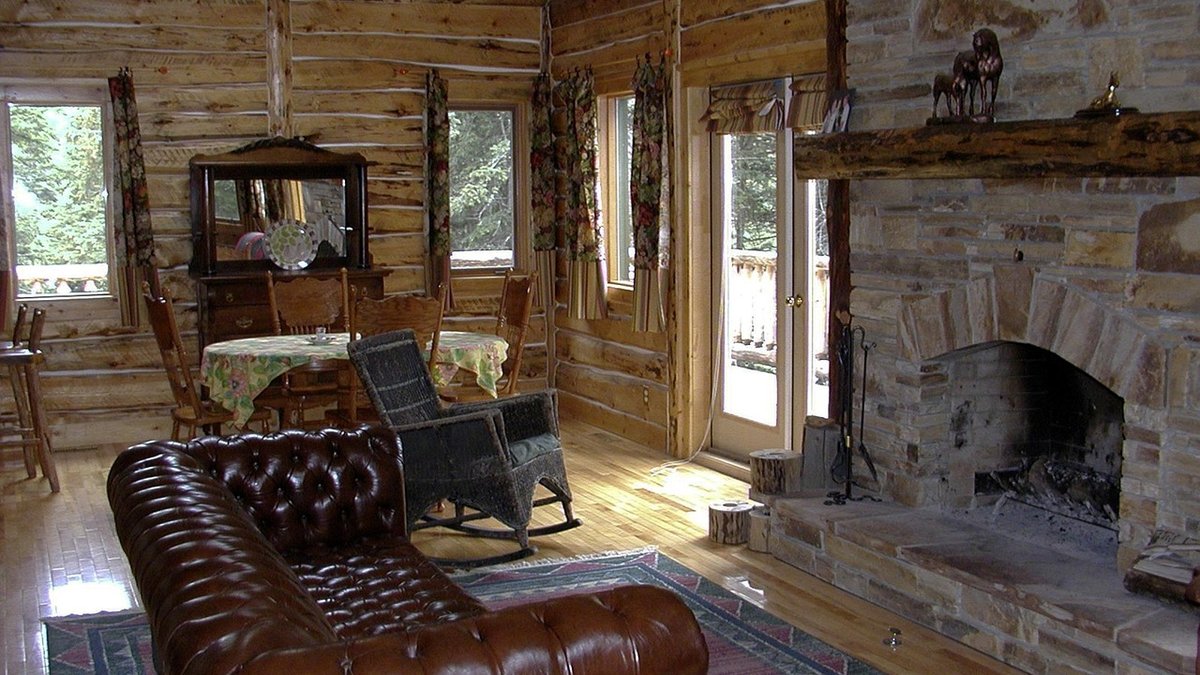
There is a stubborn idea that any lodge still free a fortnight before you want to travel must be the one nobody else wanted — the one beside the bin store, with the tired sofa and the hot tub that never quite reaches temperature. In practice, late availability is usually created by something far more ordinary: a cancellation, a change of plans, a gap between two bookings, or an owner who would rather fill a quiet midweek than leave it empty.
That last point puts you in a stronger position than you might think. An owner with an empty weekend three weeks away is not hunting for a bargain; they are hunting for someone reliable who will book quickly, arrive when they say they will, and leave the place in good order. If you can be that guest, you can often secure the same lodge that would have cost considerably more in March.
Nothing opens doors faster than a willingness to move your dates by a day or two. Most lodge owners price and fill their calendars around weekends, and the gaps that appear at short notice are almost always midweek or shoulder nights.
Say it plainly when you enquire: "We're flexible between the 12th and the 19th, three or four nights, and we can be there by four o'clock." That single sentence tells an owner you are easy to deal with, which is exactly what they want when they are trying to plug a hole in the calendar.
Booking platforms are excellent shop windows, but at short notice they are often out of date. A calendar showing "unavailable" may simply mean the owner has not updated it since a cancellation came in. A phone call sorts this out in minutes.
Direct contact also lets you ask the questions that really shape a break: was the hot tub serviced between guests, is there a log burner and are logs supplied, does the deck face the sunset or the car park, and is the nearest pub a walkable mile or a drive?
This is where last-minute bookings most often go wrong. The closer your arrival date, the less protection you have, and some owners understandably tighten their terms to reflect that risk.
Ask for the terms in writing; a booking confirmation email is perfectly adequate. Damage deposits of £100 to £250 are normal in the lodge market and should be returned within a week or two of departure, so check that too. If you are paying a substantial sum, use a credit card for the extra protection it brings. And if the terms feel evasive or vague, take that as your answer and look elsewhere — there is always another lodge.
Last-minute research tends to be rushed, so slow down for ten minutes and read the most recent reviews rather than the glossy ones at the top. Comments about hot tub temperature, road noise, wifi speed and the state of the kitchen tell you far more than a wide-angle shot of a deck at dusk.
Once you have the keys confirmed, a little forward planning makes a last-minute trip feel deliberate rather than hurried. Book a supermarket delivery for the first evening so you are not hunting for a shop in the dark, arrive before dusk if you can, and pack a torch, waterproofs and layers whatever the forecast claims. A walk straight from the door on the first morning beats any amount of driving to a beauty spot.
Above all, resist the urge to overplan. The pleasure of a lodge break is the quiet rhythm of it: a slow breakfast, a long walk, a soak in the tub, a log fire and an early night. Booked at short notice, at the right price, in the right place, that is not a compromise on quality at all — it is simply the same holiday, secured on better terms.

Hi, my name is Anthony kuber. I am artist and fashion designer.
I love to travel and writing blogging.
Your email address will not be published. Required fields are marked *
Software Developer & Writer
Hey, I'm Diva, a developer and writer blending code and creativity. I'm driven by a deep curiosity and a relentless pursuit of excellence. Join me as I craft digital solutions and captivating stories.


